Shree Achutha Educational Trust(R)

Achutha Ayurvedic Medical College Hospital & Research Centre

Hospital Departments

PANCHAKARMA

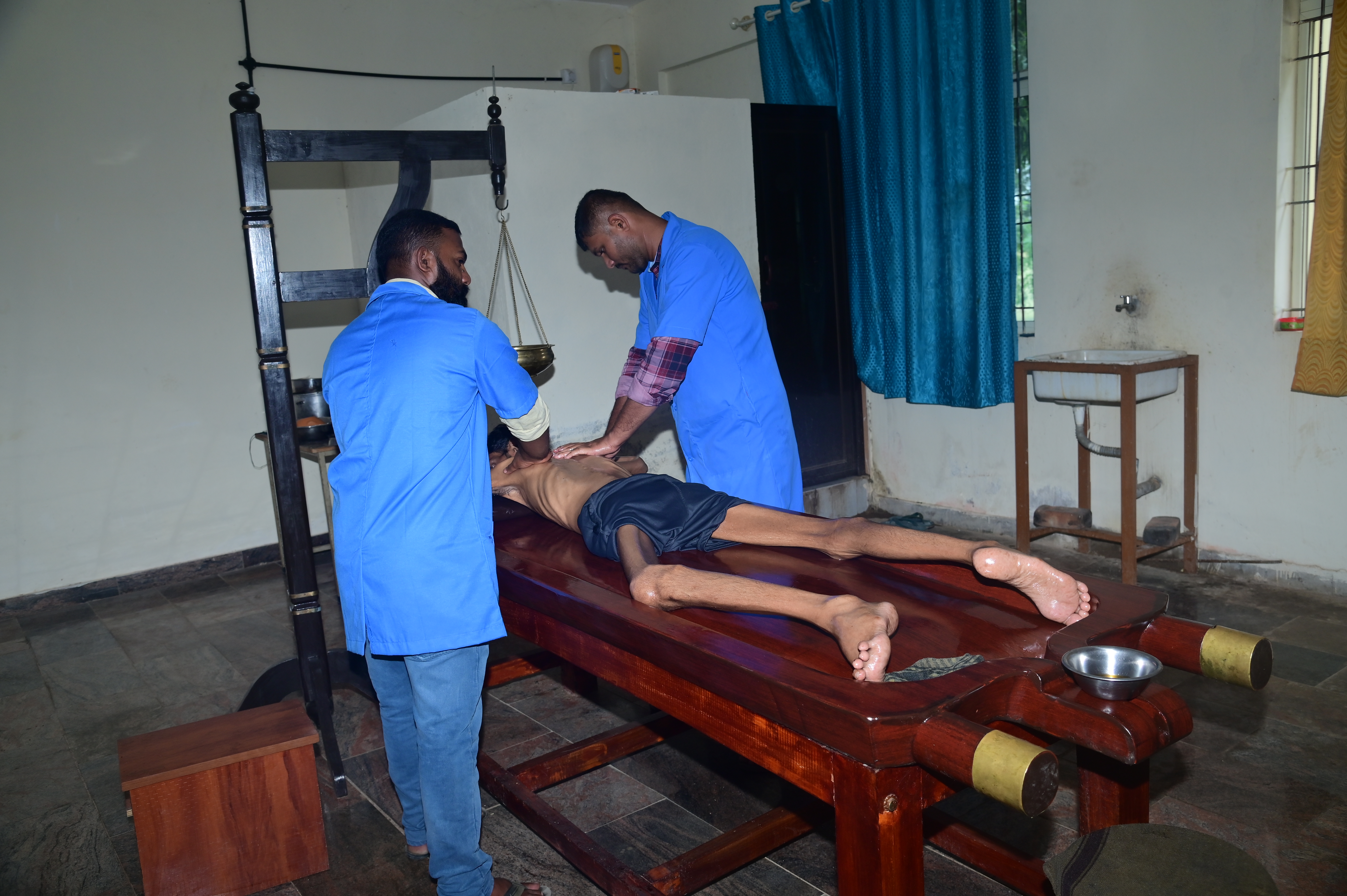
The Panchakarma department is an integral part of Ayurveda, an ancient system of medicine originating from India. Panchakarma refers to a set of detoxification and rejuvenation therapies aimed at restoring the balance of the body, mind, and spirit. This department typically offers traditional Ayurvedic treatments like massage, herbal therapies, dietary adjustments, and cleansing procedures such as Vamana (emesis), Virechana (purgation), Basti (enema), Nasya (nasal administration of medicated oils), and Rakta Mokshana (bloodletting).

Panchakarma therapies are tailored to individual needs and aim to eliminate toxins, promote healing, and enhance overall well-being.

Key Highlights of Panchakarma Treatments

Maintaining health should indeed be a priority for everyone, and hospitals offering Panchakarma and other para Panchakarma procedures for wellness maintenance is a proactive approach to healthcare. Here's how each of these offerings can contribute to overall well-being:
image

Seasonal Panchakarma: Seasonal Panchakarma aligns with the natural rhythms of the seasons to support the body's detoxification processes and maintain overall well-being. This approach recognizes that our bodies undergo changes with each season and offers Panchakarma treatments tailored to address seasonal imbalances. By undergoing Panchakarma during specific times of the year, individuals can expel accumulated toxins, strengthen immunity, and promote harmony with their environment.

Detoxification Therapy: Detoxification therapy forms an integral part of Panchakarma and focuses on purifying the body of accumulated toxins (ama). Through a combination of specialized procedures, herbal supplements, dietary modifications, and lifestyle recommendations, detoxification therapy eliminates toxins at a deep level, rejuvenating cells, tissues, and organs. By undergoing regular detoxification treatments, individuals can optimize organ function, enhance energy levels, and promote overall health and longevity.

These highlights underscore the proactive approach of hospitals in promoting health maintenance through Ayurvedic principles. By offering Panchakarma and para Panchakarma procedures, hospitals empower individuals to take charge of their health, prevent illness, and cultivate a balanced and vibrant lifestyle.

SHALYA TANTRA

The Shalya Tantra department in Ayurveda deals with surgical interventions and procedures. While many people associate Ayurveda primarily with herbal remedies and lifestyle practices, it also has a well-developed branch dedicated to surgery known as Shalya Tantra.

Here are some key aspects of the Shalya Tantra department:
Historical Significance: Shalya Tantra has a rich historical legacy, dating back to ancient times. The foundational texts of Ayurveda, such as the Sushruta Samhita, contain detailed descriptions of surgical techniques, instruments, and treatments.

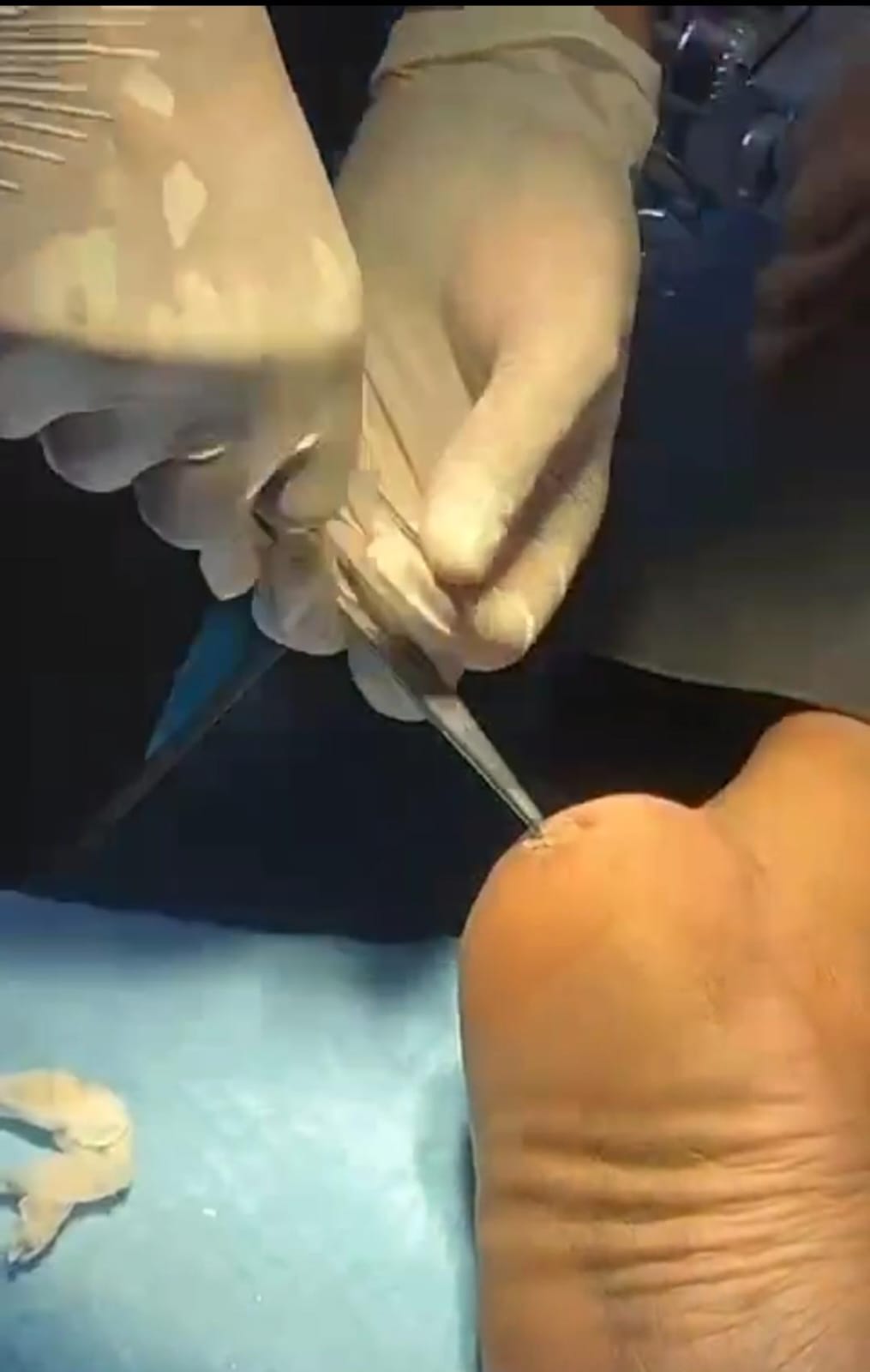
Scope of Practice: Shalya Tantra encompasses a wide range of surgical procedures, including but not limited to the removal of tumors, cysts, and foreign bodies, treatment of fractures, joint dislocations, and management of various types of wounds. Additionally, it includes procedures like bloodletting (raktamokshana), which is used for therapeutic purposes.

Specialized Techniques: Ayurvedic surgeons employ specialized techniques that are often unique to this system of medicine such as kshara sutra, Agni karma rakta mokshana. These techniques prioritize minimal invasiveness, promote rapid healing, and aim to minimize post-operative complications.

image

Integration with Modern Medicine: While traditional Ayurvedic surgical practices continue to be taught and practiced, there is also integration with modern surgical techniques and technologies where appropriate. This integration ensures that patients receive the most effective and appropriate care for their condition.

Patient Care: Like other departments in Ayurveda, Shalya Tantra emphasizes a holistic approach to patient care. This includes pre-operative preparation, post-operative care, and ongoing management to support the patient's overall health and well-being.

Treatment Planning: Based on the diagnosis, the Ayurvedic surgeon develops a personalized treatment plan for the patient. This may involve surgical intervention, herbal remedies, dietary recommendations, lifestyle modifications, or other supportive therapies.

KAUMARABHRITYA

The Kaumarabhritya department in Ayurveda focuses on pediatric care, encompassing the health and well-being of infants, children, and adolescents. Here's an overview of what you might expect from this department in a hospital setting:
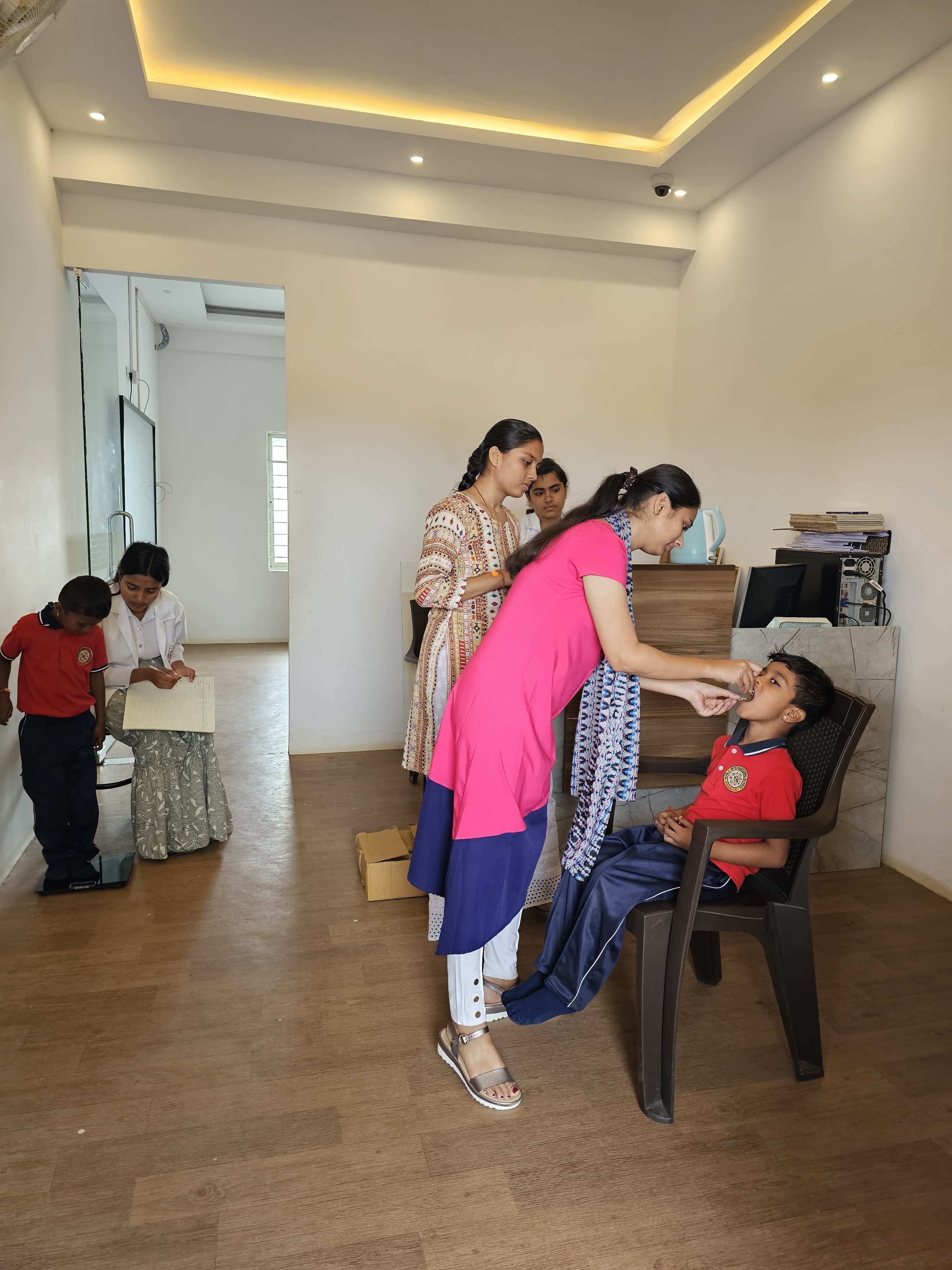
Well-Baby Clinics: Kaumarabhritya departments often run well-baby clinics where parents can bring their infants for regular check-ups, vaccinations, and developmental assessments. These clinics provide essential support and guidance for parents to ensure the healthy growth and development of their children.

Pediatric Consultations: Parents can consult with Ayurvedic pediatricians for a wide range of concerns related to their children's health, including common childhood illnesses, growth and development issues, nutritional concerns, behavioral problems, and preventive care.

Antenatal and Postnatal Care: Kaumarabhritya departments may also provide support for expecting mothers during pregnancy (antenatal care) and after childbirth (postnatal care). This includes guidance on prenatal nutrition, childbirth preparation, breastfeeding support, and postpartum recovery.

image

Treatment of Pediatric Disorders: Ayurvedic pediatricians in the Kaumarabhritya department treat various pediatric disorders using a combination of herbal medicines, dietary recommendations, lifestyle modifications, and other therapeutic interventions. Common conditions addressed include respiratory infections, digestive disorders, skin problems, allergies, and developmental delays.

Growth Monitoring and Developmental Assessment: Pediatricians monitor children's growth parameters, such as height, weight, and head circumference, to track their physical development over time. They also assess developmental milestones to ensure children are meeting appropriate cognitive, motor, and social milestones for their age.

Immunization Services: Kaumarabhritya departments often provide immunization services to protect children against vaccine-preventable diseases. Vaccination schedules are tailored to meet national guidelines and ensure children receive essential vaccines at the recommended ages.

Parental Education and Counseling: Parents receive education and counseling on various aspects of child health and parenting, including breastfeeding, nutrition, hygiene practices, immunizations, child safety, and age-appropriate developmental activities. This empowers parents to make informed decisions and provide optimal care for their children.

Specialized Pediatric Care: Some Kaumarabhritya departments may offer specialized services for children with complex medical needs, chronic illnesses, or developmental disabilities. This could include multidisciplinary care teams, specialized clinics, and access to additional resources and support services.

Overall, the Kaumarabhritya department plays a crucial role in promoting the health and well-being of children from infancy through adolescence, providing comprehensive pediatric care grounded in Ayurvedic principles and practices.

SHALAKYA TANTRA

The Shalakya Tantra department in Ayurveda focuses on the diagnosis, treatment, and management of diseases related to the head and neck region. Here's an overview of what you might find in this department within a hospital setting:
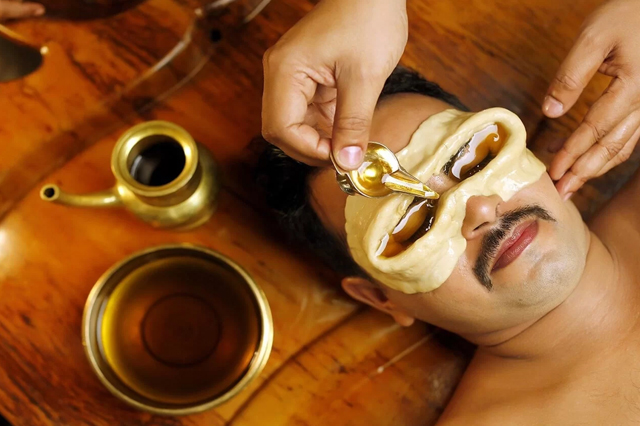
Ophthalmology (Netra Roga): Shalakya Tantra includes the diagnosis and treatment of eye diseases. Ayurvedic ophthalmologists (Netra Vaidyas) provide consultations, perform eye examinations, and offer treatments for various eye conditions such as conjunctivitis, cataracts, glaucoma, refractive errors, myopia, hypermetropia and other vision-related problems.

Otorhinolaryngology (Shiro-Nasa-Karna Roga): This aspect of Shalakya Tantra deals with diseases of the ear, nose, and throat (ENT). Ayurvedic ENT specialists diagnose and manage conditions such as sinusitis, tonsillitis, ear infections, nasal polyps, deviated septum, hearing loss, and other ENT disorders.

Dentistry (Mukha Roga): Shalakya Tantra also encompasses dental care and dental hygiene, including the diagnosis and treatment of oral and dental diseases. Ayurvedic dentists (Danta Vaidyas) provide services such as dental examinations, cleanings, fillings, extractions, root canal therapy, and management of oral and gum diseases.

image

Treatment Modalities: Ayurvedic treatments for Shalakya diseases may include various therapeutic interventions such as Nasya (nasal administration of medicated oils or powders), Netra Tarpana (eye rejuvenation therapy), Karna Purana (ear oiling), Gandusha (mouth rinsing), and other localized therapies tailored to the specific condition.

Surgical Interventions: In some cases, surgical procedures may be recommended for the management of Shalakya diseases. Ayurvedic surgeons perform specialized procedures such as eye surgeries (e.g. Pterygium excision), nasal surgeries (e.g., septoplasty), ear surgeries (e.g., tympanoplasty, ear lobe repairs), and dental surgeries (e.g., tooth extraction) using Ayurvedic principles and techniques.

Preventive Care and Health Promotion: Shalakya Tantra emphasizes preventive care and health promotion strategies to maintain the health of the head and neck region. This may include lifestyle recommendations, dietary guidelines, hygiene practices, and measures to protect the sensory organs from environmental hazards.

Preserving the structural and functional integrity of these parts is paramount in Ayurveda. This preservation is achieved through a multifaceted approach that includes daily routines (Dinacharya), seasonal routines (Ritucharya), and seasonal cleansing practices (Ritu Panchakarma) to maintain their sustainability and health.

Overall, the Shalakya Tantra department provides comprehensive care for diseases of the head and neck region, integrating Ayurvedic principles with modern diagnostic techniques and treatment modalities to promote optimal health and well-being.

KAYACHIKTISA

Kayachikitsa is the first branch of ashtang ayurved that deals with general medicine, where kaya means body and chikitsa means treatment. Kaya also refers to agni on entire ayurvedic therapeutics is based on the concept of Agni. Correction of Agni is the basic line of treatment for most of the diseases.

Another unique aspect of kayachikitsa is Rasayana (Rejuvenation) and Vajikaran (Aphrodisiac) Rasayan chikitsa is useful for promotion of health and curing enhances the sexual vigour and useful to procreate an ideal Progeny.

Here's an overview of what you might find in this department within a hospital setting:
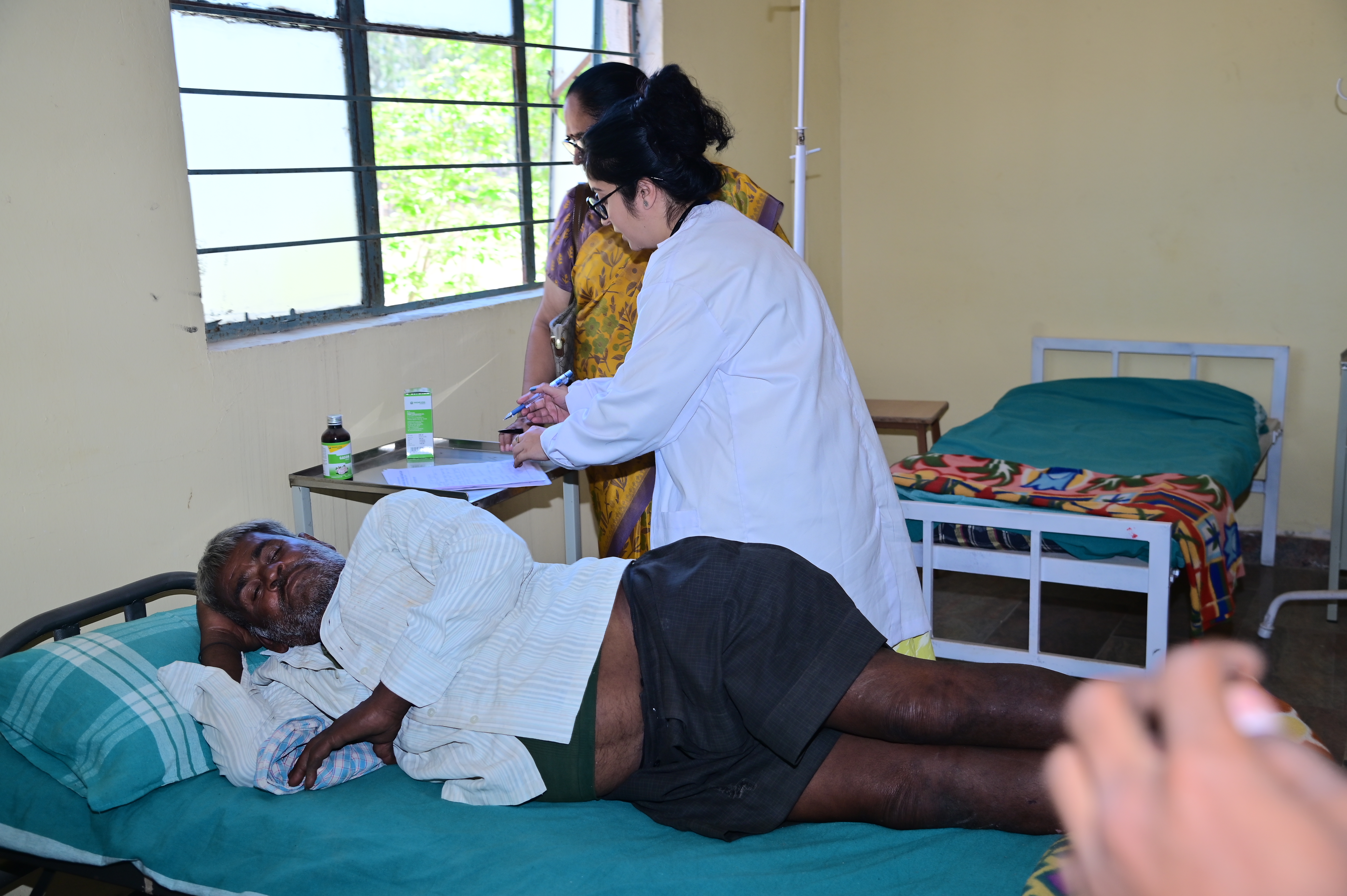
Consultations: Patients visit the Kayachikitsa department for consultations with Ayurvedic physicians (Vaidyas) regarding a wide range of health concerns. These may include chronic diseases, acute illnesses, metabolic disorders, autoimmune conditions, gastrointestinal issues, respiratory problems, and more.

Diagnostic Evaluations: Ayurvedic physicians in the Kayachikitsa department conduct comprehensive diagnostic evaluations to assess the patient's overall health status. This may involve detailed medical history taking, physical examinations, pulse diagnosis (Nadi Pariksha), tongue examination (Jihva Pariksha), and other traditional diagnostic methods.

image

Treatment Planning: Based on the diagnosis, the Ayurvedic physician develops an individualized treatment plan tailored to the patient's specific needs and constitution. Treatment modalities may include herbal medicines, dietary and lifestyle modifications, detoxification therapies (Panchakarma), rejuvenation therapies (Rasayana), and more.

Management of Chronic Diseases: The Kayachikitsa department specializes in managing chronic diseases such as diabetes, hypertension, arthritis, asthma, digestive disorders, skin conditions, neurological disorders, and others. Treatment focuses on addressing the underlying imbalances in the three doshas (Vata, Pitta, Kapha) and restoring harmony to promote healing and well-being.

Preventive Healthcare: In addition to treating existing health conditions, the Kayachikitsa department emphasizes preventive healthcare to maintain overall health and prevent the onset of diseases. This may involve lifestyle counseling, dietary recommendations, stress management techniques, and seasonal routines (Ritucharya) to support optimal health throughout the year.

Follow-up Care: Patients receive ongoing support and follow-up care from Ayurvedic physicians to monitor their progress, adjust treatment plans as needed, and address any new health concerns that may arise. Regular follow-up visits help to ensure the effectiveness of treatment and promote long-term health and well-being.

Integration with Modern Medicine: In some cases, Ayurvedic treatment plans may complement conventional medical therapies, and Ayurvedic physicians collaborate with healthcare providers from other specialties to provide comprehensive care for patients with complex health needs.

Overall, the Kayachikitsa department plays a central role in Ayurvedic healthcare, offering holistic and personalized approaches to diagnosis, treatment, and management of various health conditions to promote physical, mental, and spiritual well-being.

PRASOOTI TANTRA & STRIROGA

The Stree Roga and Prasuti Tantra department in Ayurveda focuses on the health and well-being of women throughout their reproductive years, including pregnancy, childbirth, and postpartum care. Here's an overview of what you might find in this department within a hospital setting:
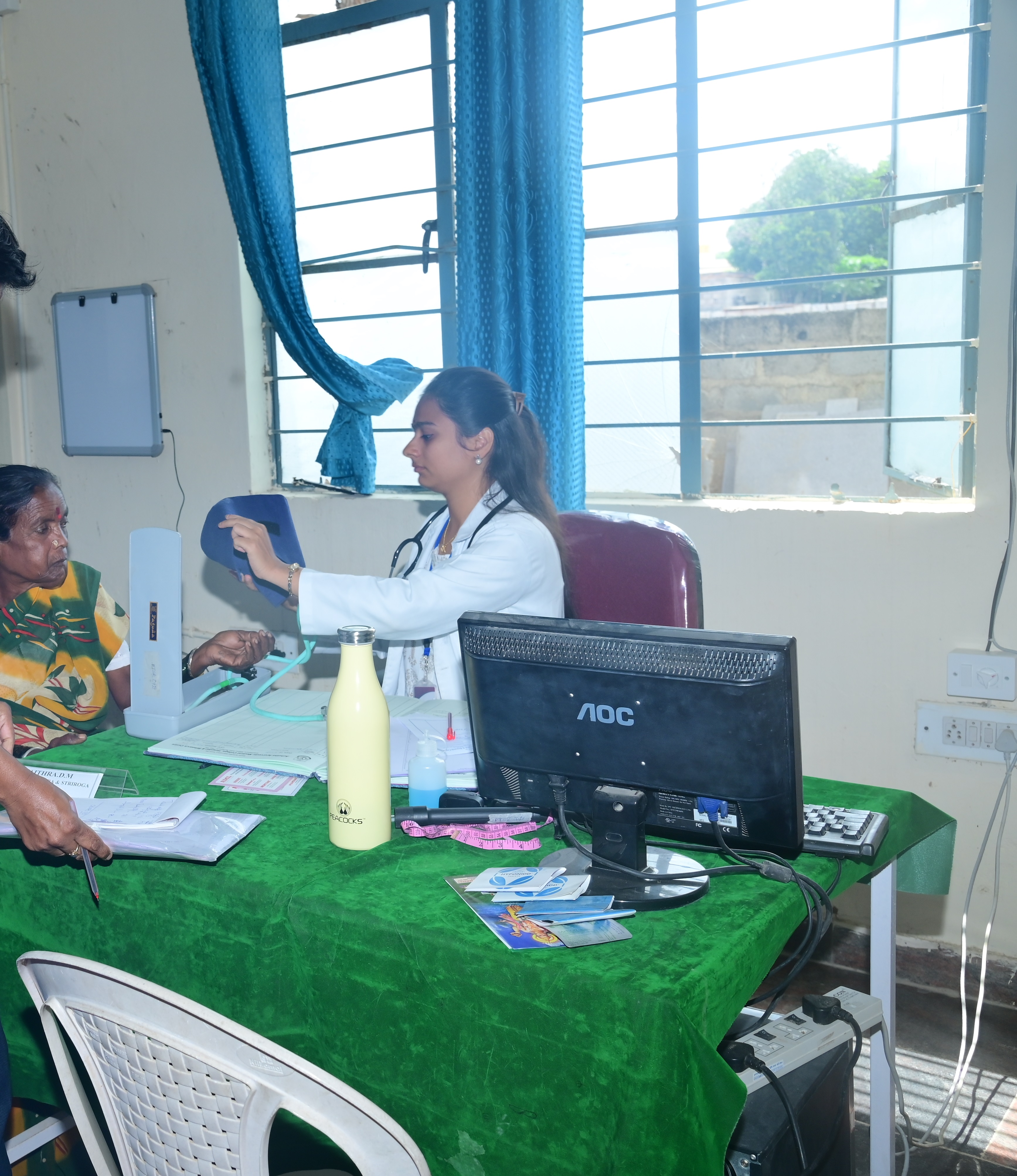
Antenatal Care: The Stree and Prasuti Tantra department provides comprehensive care for pregnant women, including regular check-ups, monitoring of maternal and fetal health, nutritional counseling, and guidance on prenatal exercises and relaxation techniques.

Management of Pregnancy Complications: Ayurvedic physicians in this department diagnose and manage various pregnancy-related complications, such as gestational diabetes, hypertension, anemia, and urinary tract infections, using a combination of herbal medicines, dietary modifications, lifestyle recommendations, and supportive therapies.

image

Postpartum Care: After childbirth, mothers receive specialized care to promote physical and emotional recovery. This includes dietary recommendations, herbal remedies, postnatal massage, breastfeeding support, and guidance on newborn care.

Management of Gynecological Disorders: The Stree Roga and Prasuti Tantra department also addresses gynecological conditions affecting women outside of pregnancy, such as menstrual disorders, infertility, polycystic ovarian syndrome (PCOS), fibroids, and menopausal symptoms. Treatment may involve herbal medicines, detoxification therapies, lifestyle modifications, and hormonal balancing techniques.

Preventive Healthcare: In addition to treating existing conditions, the department emphasizes preventive healthcare to promote women's health and well-being. This includes regular screenings, health education, and lifestyle interventions to prevent gynecological and obstetric complications.

Reproductive Health and Family Planning: The department provides counseling regarding reproductive health, contraception, and family planning. Women receive information about contraceptive options, fertility awareness methods, and preconception care to support their reproductive choices.

Education and Support: Women and their families receive education and support throughout their reproductive journey, empowering them to make informed decisions about their health and well-being. This may include childbirth education classes, breastfeeding support groups, and counseling on emotional and psychological aspects of pregnancy and motherhood.

By offering comprehensive care and support for women during all stages of their reproductive life, the Stree Roga and Prasuti Tantra department plays a crucial role in promoting maternal and child health, empowering women to experience pregnancy, childbirth, and motherhood with confidence and dignity.

ATYAYIKA CHIKITSA

"Atyayika Chikitsa" is a term from Ayurveda, the ancient Indian system of medicine. In Ayurveda, "Chikitsa" means treatment, and "Atyayika" refers to emergency or acute conditions. So, "Atyayika Chikitsa" refers to emergency or acute treatment methods prescribed in Ayurveda for conditions like injuries, accidents, acute illnesses, etc.

These treatments can vary depending on the specific condition and the individual's constitution according to Ayurvedic principles. They may involve herbal remedies, dietary changes, lifestyle modifications, therapeutic procedures like Panchakarma (a detoxification process), and sometimes even surgical interventions (though traditional Ayurvedic surgery is rare today).