Achutha Ayurvedic Medical College Hospital & Research Centre

DEPARTMENT OF AYURVEDA SAMHITA AND SIDDANTA
The department is dedicated to the study and spread of the knowledge of Samhita and Siddantha, the fundamental texts that comprehends the fundamental principles and doctrines of various disciplines. The department is involved in imparting the application of concepts in diagnosis and planning treatment. It demonstrates evaluative & judgment skills in making appropriate decisions. It enables the students to have a scientific understanding of the text with practical demonstration in all the areas of Ayurveda.

DEPARTMENT OF RACHANA SHAREERA
It is one of the basic subjects in medical studies which deals with the structure of human body. This is one of the vital subjects useful for essential understanding of principles of treatment. Knowledge of applied anatomy will enable to do a preliminary diagnosis of the disease. Better understanding of the anatomy of the organs and systems will help in imparting better treatment. The department has well established museum and dissection hall for better understanding of the subject.
DEPARTMENT OF KRIYA SHAREERA
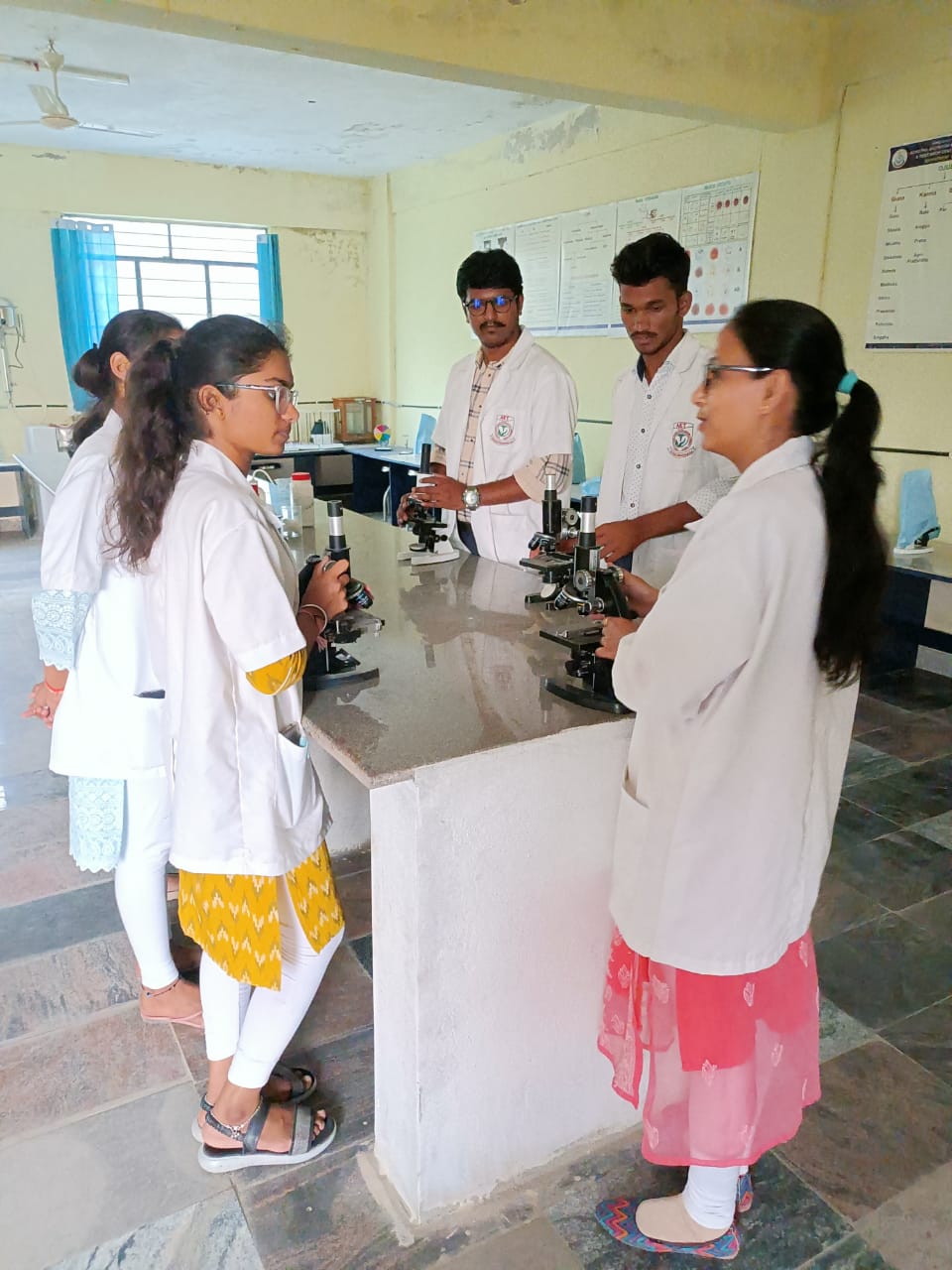
Shareera Kriya is the specialty of Ayurveda that deals with the understanding of human physiology and anatomical functions of body and mind. Shareera is composed of many basic elements. ‘Kriya’ means which has motion or which can perform actions. Thus, Shareera performs its kriya only when these basic elements maintain their equilibrium state. This subject is the base for proper understanding of Ayurvedic science. Knowledge of normality is important for assessing the abnormality. The department has well established museum and laboratory with required equipment's for better understanding of the subject.
DEPARTMENT OF AGADA TANTRA
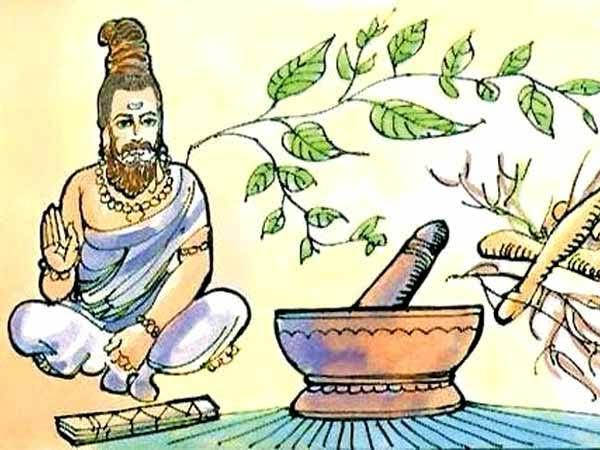
Agada Tantra is one of the Astangas of Ayurveda, dealing with toxicology. The relationship between health and toxins has been scientifically proved in this branch. This deals with the bites of the poisonous animals and their treatment. Everyday consumption of junk food, processed food, unhealthy food leads to cumulative toxicity. The study of various effects of toxins, poisons on the body and their counteractive measures for the harmful effects has been dealt in this branch.
DEPARTMENT OF DRAVYA GUNA VIGNANA
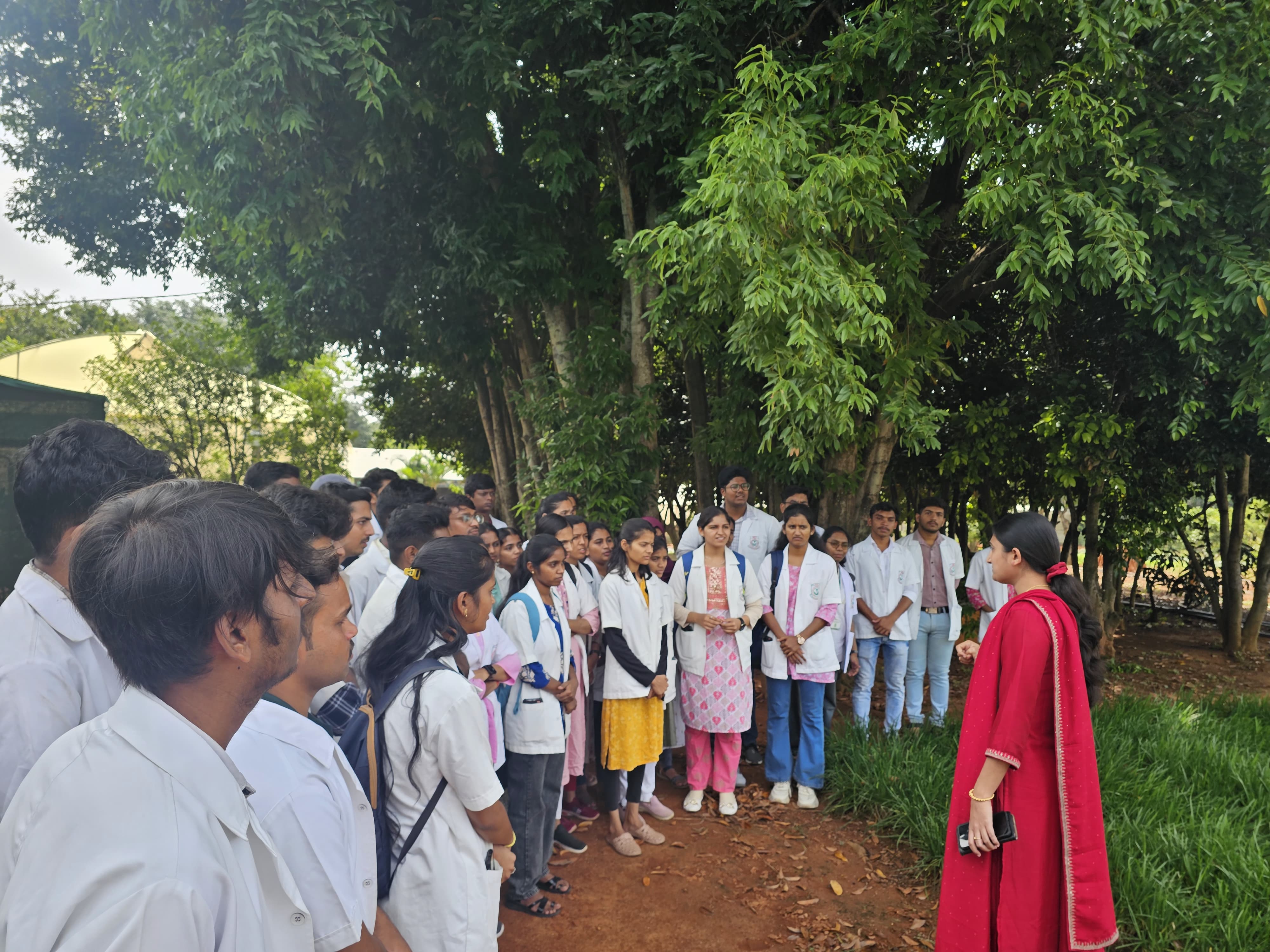
Knowledge of Medicinal plant is essential for maintaining the health and executing in effective treatment. Medicinal plant form an essential link in maintenance of health and diseases in the form of food and medicine. This department explores the world of medicinal plants and their medicinal properties, identification, classification and understanding the pharmacological actions of the plants and natural substances used in Ayurvedic treatments. The museum of the department enriches the knowledge of medicinal plants and its uses.
DEPARTMENT OF RASA SHASTRA & BHAISHAJYA KALPANA
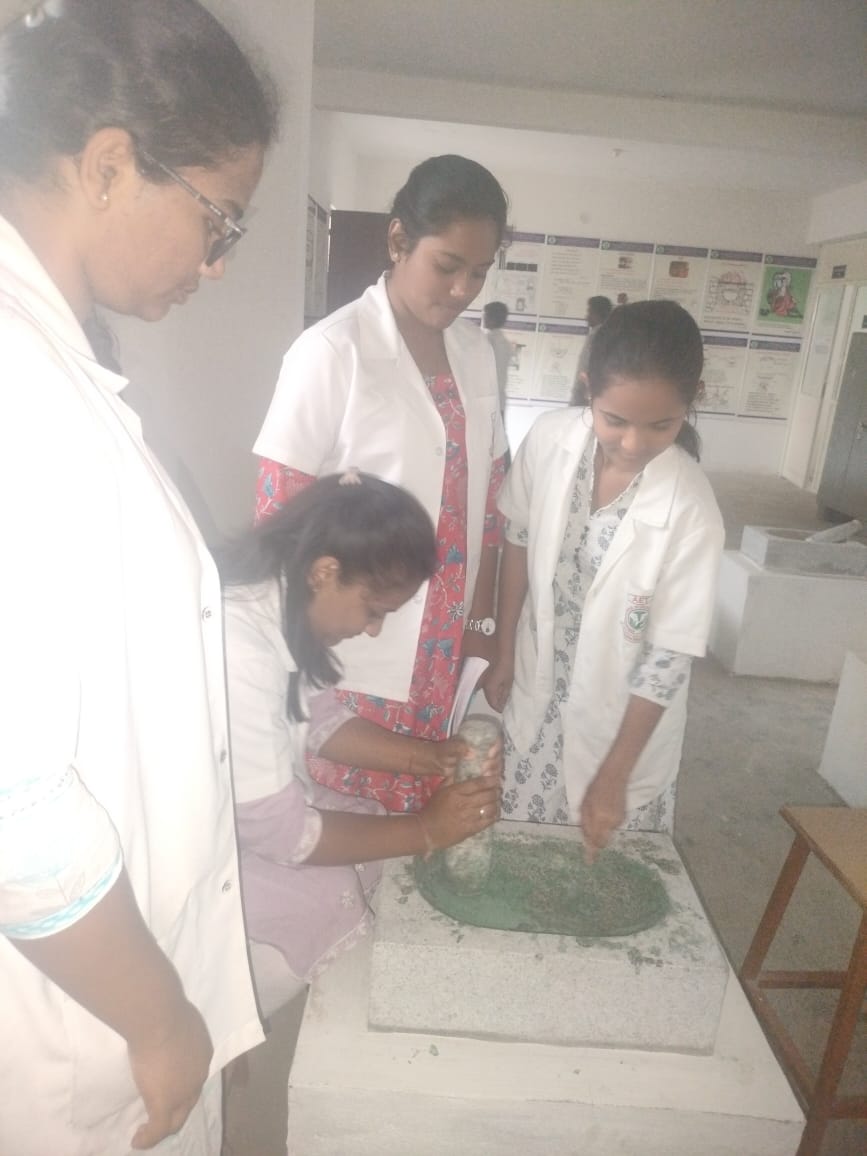
This branch of Ayurveda deals with the preparation of medicines from various natural sources. Herbo- mineral products are found to be more efficacious in the clinical management. The formulations are prepared by utilizing the herbs found in the region of the individual and customize the same based on the need of the health seeker. This branch deals with mineral, herbo- mineral preparations, their purification methods, safety and efficacy of the formulations prepared. The aim of this branch is to design formulations is to administer in lesser dosage that are most potent utilizing metals and minerals in the treatment
DEPARTMENT OF ROGA NIDANA & VIKRUTI VIGNANA
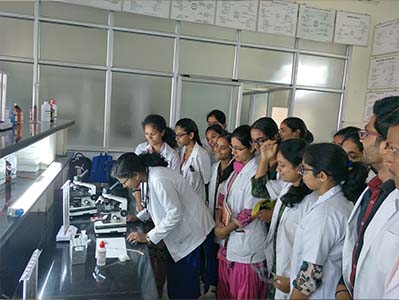
The department deals with the subject that helps the students to know the fundamentals of a disease in terms of the etiology of the disease, pathogenesis and clinical features and the mode of examination of diseased person with essential laboratory investigations required for the diagnosis of the disease.
DEPARTMENT OF SWASTA VRITTA
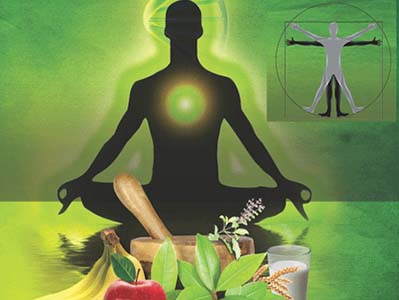
Swasthavritta and yoga is the branch that gives importance on the principle and practices of the preventive medicine and maintaining the overall health and well-being through modification in life style, diet. It also looks into the promotion of health with healthy lifestyle Dinacharya (daily regimen), rutucharya (seasonal regimen), Sadvrutta and achararasayana (moral codes of conduct) advocated in Ayurveda are the four pillars of health for the promotion of health.
DEPARTMENT OF SHALYA TANTRA
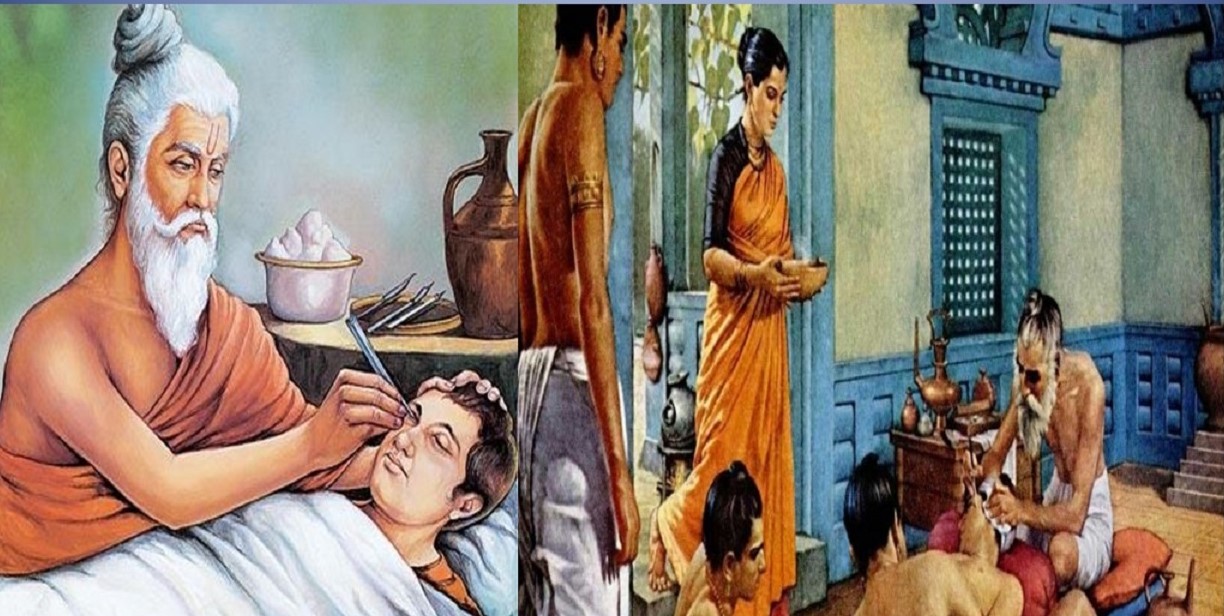
Shalya Tantra is a vital branch of Ayurveda the literal meaning of which is removal of an irritating factor from the body (surgery). From Sushruta’s Sushruta Samhita, it is known that thousands of years ago, very sophisticated methods of surgery were employed in India!
Sushruta’s original text discusses in an elaborate manner about a myriad of surgical methods that include how to handle different types of tumors, fracture of bones, internal and external injuries, complications during child delivery, and obstructions in intestinal loops. In fact, Sushruta was the first ever surgeon to develop cosmetic surgery.
The reason why Shalya Tantra was quite popular is it could provide fast relief compared to the slower process of recovery from herbs or medicine.
Shalya tantra treatment was very popular in the ancient times mainly because it provided fast relief compared to other processes. For illnesses that demanded immediate treatment Shalya Chikitsa was the most preferred method.
DEPARTMENT OF SHALAKYA TANTRA
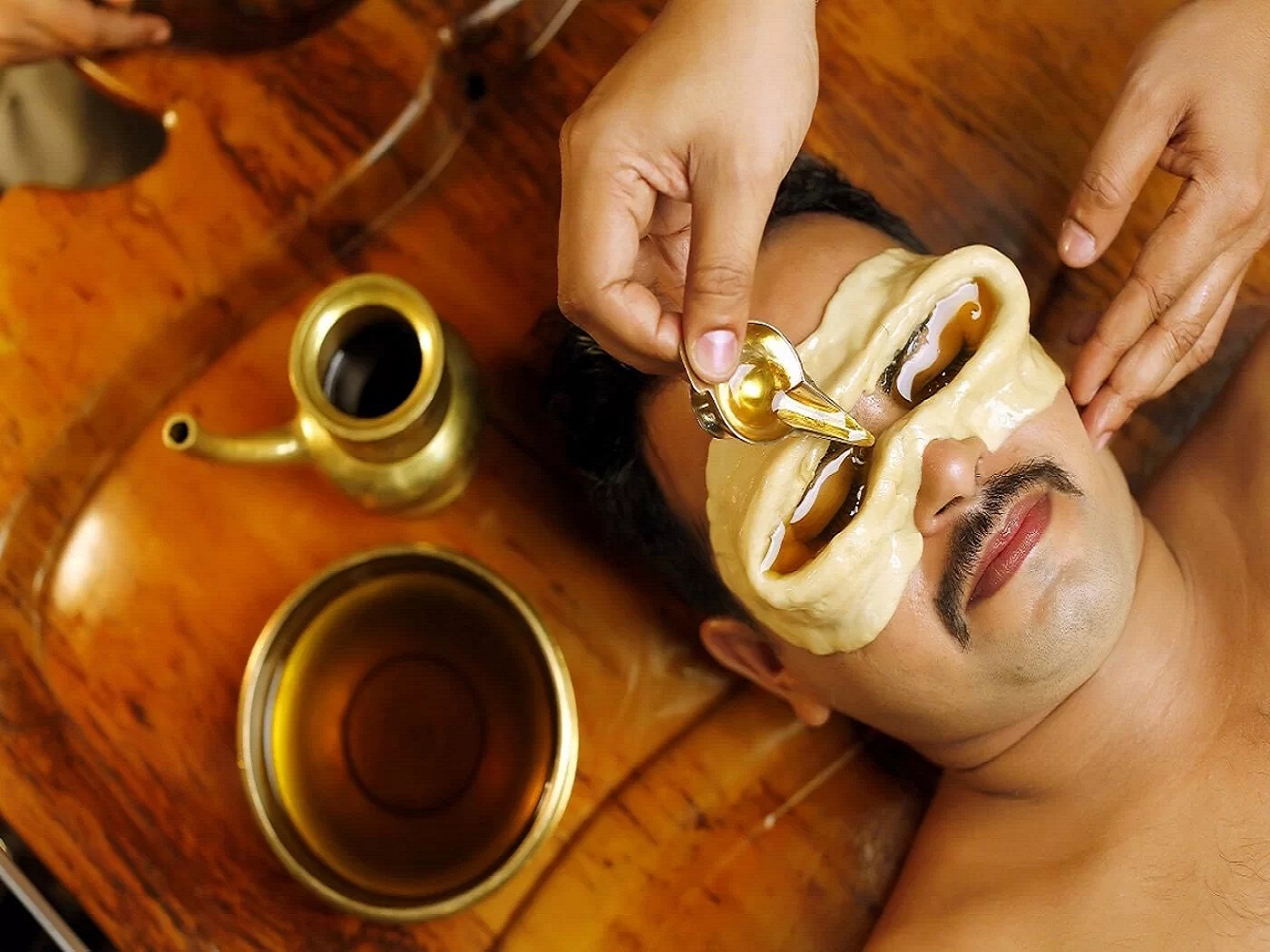
Shalakya Tantra is a branch of Ayurveda that deals with the description, diagnosis and treatment of diseases of the region above the Jathru(Clavicle) which includes Head, Eyes,Ears, Nose, Throat and Oral Cavity.
Shalakya Tantra uses 'Shalaka' for the diagnosis and treatment of diseases of the Eyes, Ears, Nose and Throat.
Various treatment modalities like Nasya, Neti, Kavala, Gandoosha, Shirodhara, Shirobasti, Karna poorana, Karna dhoopana, Tarpana, Putapaka, Seka,Aschothana, Bidalaka, etc are used for the treatment of various diseases.
DEPARTMENT OF KAYACHIKITSA
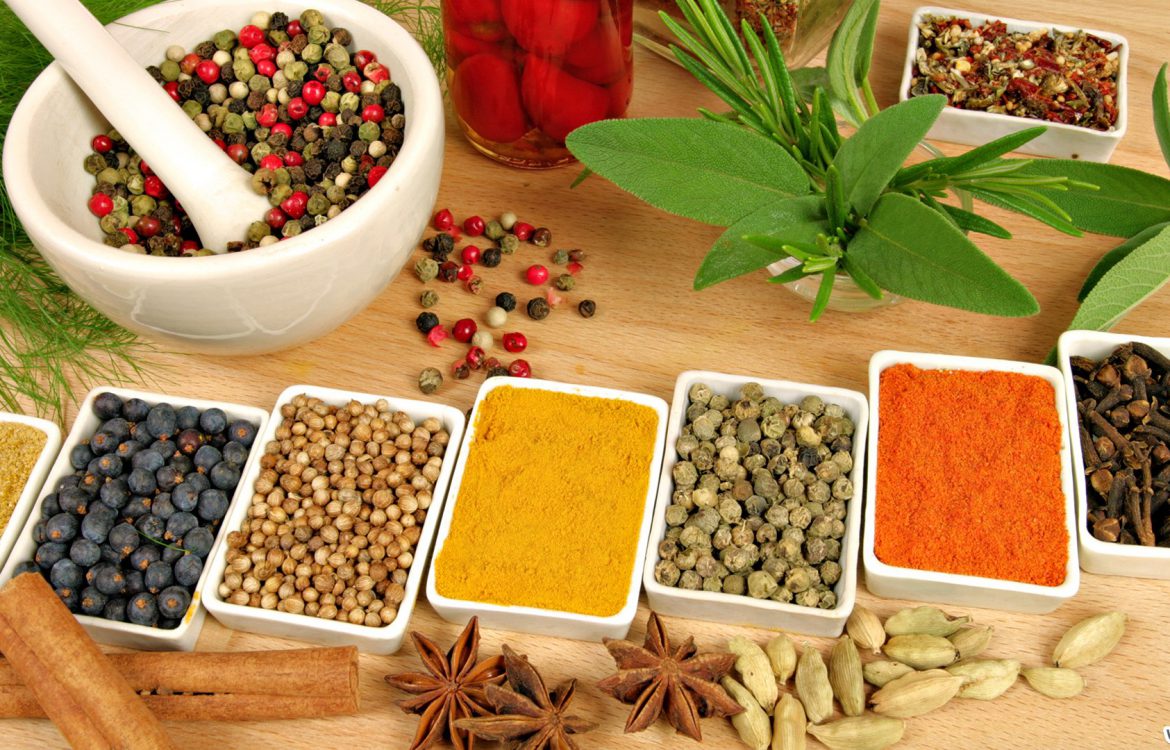
The Kayachikitsa department, also known as Internal medicine in Ayurveda is a leading clinical division within the Ayurveda faculty. The department is dedicated to the study, diagnosis and treatment of various health conditions, focusing on balancing body's internal systems and maintaining overall well-being. It offers undergraduate training programmes and comprehensive treatment services. Our curriculum is designed to equip students with in- depth knowledge of herbal medicine, detoxification therapies, and lifestyle management, ensuring a well- rounded approach to healthcare.
With a blend of traditional Ayurvedic principles and modern medical approaches, we provide comprehensive care that addresses both the symptoms and root causes of ailments. The department offers specialized training in therapeutic techniques, including Panchakarma, Rasayana and Vajikarana under the guidance of experienced and well-qualified faculty members.
Key objective is to nurture skilled professionals capable of offering integrative and personalized treatments, enhancing research for global recognition.
DEPARTMENT OF PANCHAKARMA
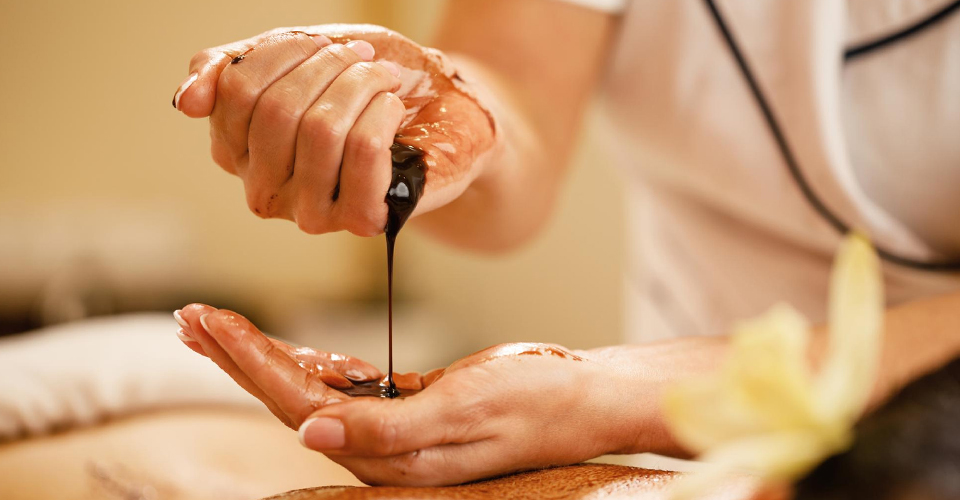
Department of Panchakarma is dedicated to the ancient healing practices of Panchakarma, which forms an essential aspect of Ayurvedic medicine. We offer a comprehensive curriculum focused on the theoretical and practical applications of detoxification and rejuvenation therapies. Our skilled faculty, state-of-the-art facilities, and a holistic approach provide students with the knowledge and hands-on experience to become proficient practitioners. Join us in exploring the art of restoring balance and promoting wellness through the time-tested methods of Panchakarma.
Panchakarma is unique set of therapies carefully curated to cater various health benefits. It is used as preventive as well as curative threapy. It helps to eliminate the vitiated dosha from the nearest route thus maintaining homeostasis of the body. It includes 5 major therapies such as Vamana, Virechana, Anuvasana basti, Niruha basti and Nasya. It is also given as a preparatory procedure prior to rasayana chikitsa and vajeekarana chikitsa.

DEPARTMENT OF KAUMARABHRITYA
Kaumarabhritya, the branch of Ayurveda dedicated to child healthcare, covers various aspects of pediatric wellness, from prenatal care to adolescent health. Here are its key highlights:
- Comprehensive Childcare Approach Focuses on the health of newborns, infants, children, and adolescents. Emphasizes preventive, curative, and promotive aspects of pediatric health.
- Neonatal & Infant Care Navjat Shishu Paricharya: Essential newborn care (proper feeding, massage, and hygiene).
- Swarna Prashana A unique immunization method where gold, honey, and herbal extracts are given to enhance immunity, intelligence and overall health.
- Pediatric Disease Management Treatment of common childhood illnesses like digestive disorders, respiratory issues, and skin diseases using Ayurvedic herbs and therapies. Management of congenital and developmental disorders.
- Nutrition & Immunity Boosting Lehana (Supplementary Nutrition): Administration of herbal formulations to enhance immunity and strength.
- Behavioral & Mental Development Ayurvedic principles focuses on enhancing memory, concentration, and emotional well-being in children with the use of Medhya Rasayanas & also with other formulations.
- Integration with Modern Pediatrics Ayurveda offers a holistic approach that complements modern pediatrics in areas like immunity building, digestive health, and lifestyle disorders.
Kaumarabhritya remains relevant even today in the aspects of promoting natural, preventive, and holistic child healthcare.
DEPARTMENT OF PRASOOTI TANTRA & STRIROGA
The department of Prastooti Tantra Evam Stree Roga is well equipped to train the students with the unique concepts of Ayurveda Gynaecology and Obstetrics. Accordingly there are charts, models, mannequins and model surgical instruments to explain the exclusive concepts and for practical training of the students.
There is a departmental library with concerns books of Ayurveda and contemporary science for reference and additional knowledge.